A clinic at the Royal Women’s Hospital is striving to support babies who have been exposed to drugs and alcohol before birth, and their mothers.
The First Thousand Days Clinic provides care during pregnancy until the child’s second birthday in a bid to better support the next generation.
The pilot program is the first of its kind in the country and will run for three years.
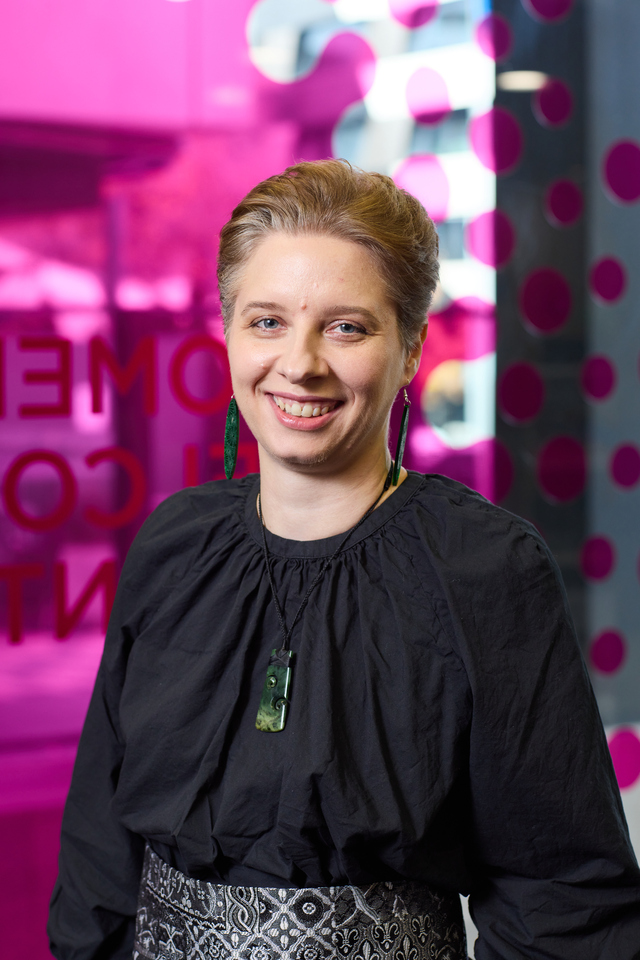
Royal Women’s Hospital neonatologist Dr Anna Tottman said the first 1000 days – the time from conception to the second birthday – is the most rapid period of brain development in the human life course.
“It’s also a period that is very vulnerable to outside influences and things that can change brain development,” Dr Tottman said.
“It’s also a period of real opportunity where you can positively impact children’s brain development, and we know what happens to you in early childhood actually lays the foundation for a healthy adulthood.
“The environmental impacts upon you as a fetus and as a small child can change the direction of your brain development and thus change your outcome long term.
“And it’s not just brain development; your likelihood of obesity or your likelihood of type 2 diabetes or cardiovascular disease can all be programmed by your exposures in your environment in your fetal period.”
Babies who are exposed to drugs and alcohol before birth are more likely to be born to mothers who themselves have suffered significant childhood trauma, Dr Tottman said.
One of her aims is to remove the stigma surrounding mothers who have used drugs or alcohol during their pregnancy seeking healthcare for the betterment of the child and themselves.
“Drug use in pregnancy is one of those things that is very hard to talk about and there’s a lot of stigma and a lot of shame around it,” Dr Tottman said.
“We recognise that many of the women who come to us, have had really difficult starts themselves. Perhaps their first thousand days weren’t well supported. Perhaps they were exposed to drugs and alcohol before birth and didn’t get the support that we are now trying to give the next generation.
“Part of doing this is to let people know that there is help out there and you just need to reach out.”
Dr Tottman and her team monitor the children enrolled in the program to ensure they are meeting their developmental milestones.
“They are at risk of having difficulties with learning motor skills or learning how to sit, learning how to walk and difficulties with communication skills in the first two years after they’re born,” she said.
“So we monitor children’s developments and make sure that they are meeting their developmental milestones on time and that’s important to do repeatedly through the first couple of years.
“What you’re doing at four months or six months is very different to what you’re doing at 18 months or 24 months. So it’s important that you capture all of those time points.
“But then we are intervening with developmental physiotherapy, with help with social work support, with finding speech therapy for infants who are showing us that they are having trouble meeting their milestones.
“And we know from other cohorts of high risk children that early intervention and helping children to get back on track and to reach their milestones is one of the most important things you can do for children’s long term outcome.”
Previously, the clinic couldn’t follow children for the full two years of care due to a lack of funding. However, philanthropic support has been put together to enhance the existing state-funded service, with the Women’s Alcohol and Drug Service (WADS) with North Western Melbourne Primary Health Network (NWMPHN) funding the first year.
Women can self-refer to the Royal Women’s Hospital’s Women’s Alcohol and Drug Service or they can be referred via their GP, midwife or alcohol and drug counselling services.