In the new suburb of Doreen, eight women plan precautions for everything from a pandemic to a chemical spill. Fran Cusworth asks them why.
You’re at home, and the telly dies. All falls dark. The fridge splutters to a stop and the heater turns cold. Your battery-operated radio or fading phone tells you there is a widespread power blackout and utility failure all over Melbourne, and it could last a week.
Outside it is pandemonium. Supermarket shelves are empty and mobs are looting the shops. Petrol is no longer available, and abandoned cars and buses litter the streets. At home, the toilet won’t flush any more, the plumbing backs up and the tap water runs murky. Don’t drink it, health authorities warn.
What would you do? How would you feel? If you’re the average person you would probably just panic. But out in the mint new suburb of Doreen, a small group of women are preparing for such an event.
Kate Lawrence, from the National Rural Women’s Coalition and Network, has spent five weeks running a federally funded weekly workshop called Weather the Storm: Women Prepare. Eight women have turned up each week to brainstorm surviving everything from pandemic diseases to chemical spills.
‘‘We’ve seen a dramatic increase in disasters in the last few years,’’ Lawrence says. ‘‘While fire and flood have made headlines, there are prolonged loss of electricity, water or food supplies, pollution, chemical spills, pandemics, strike action – they’re all possibilities.
‘‘We might become housebound for days, we might be unable to access basic services or food, we may need to evacuate, or we may not have a home to live in.’’
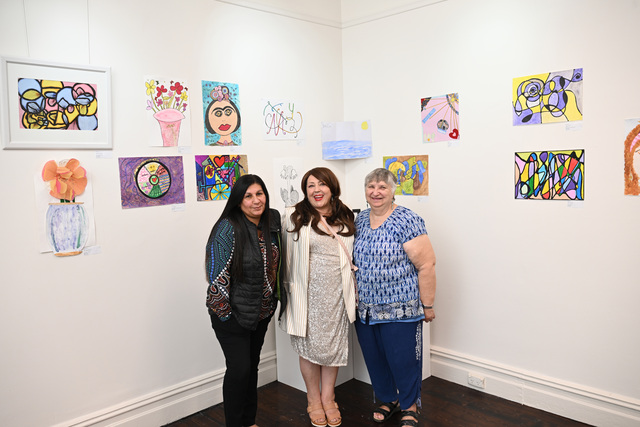
At the Laurimar Community Centre in Doreen, they bring me a seat and welcome me to the weekly workshop. Young women feed babies, older women peer over bifocals to take notes. Everyone sips tea as we discuss chlorine spills, rope ladders, canned food versus dry, radioactive fallout, gas leaks, bird flu and legionnaires’ disease.
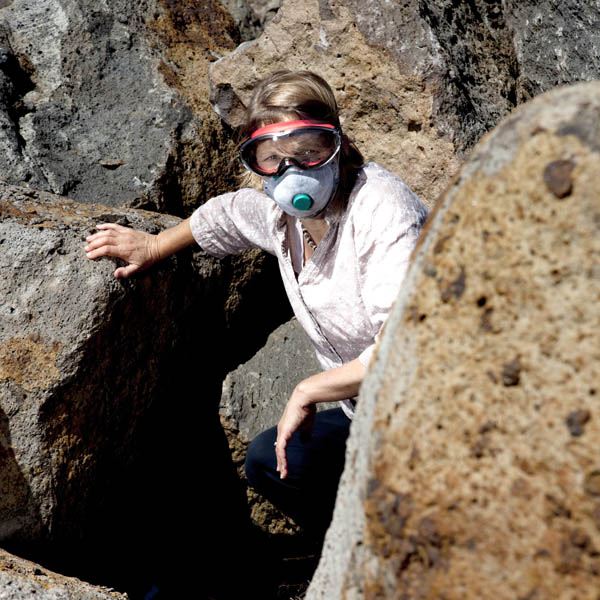
Outside, shiny SUVs park near new shops on new roads while earthmovers and builders massage virgin blocks into yet more housing estates. Inside, we’re seated around a shrine-like cluster of objects: a torch, a first aid kit, three face masks and two books on how to stockpile food for emergencies. One is Peggy Layton’s Emergency Food Storage & Survival Handbook: Everything You Need to Know to Keep Your Family Safe in a Crisis.
I must admit, I’m sceptical. Why, in this suburb so young that it’s still being built, where sweet-faced babies are coming off the production line even faster than Lend Lease homes, are they worrying about such doomsday scenarios?
Tania Robinson says that, as a parent at home all day with two children in a new estate, she had long sensed her vulnerability in an emergency.
‘‘I feel a bit isolated where we live,’’ she says, jiggling a baby on her knee. ‘‘I’ve taken away confidence from this. I feel now I could tackle any type of disaster.’’
Erin Garro echoes her sentiments. ‘‘It really struck me that I’m a mum at home with two kids and I felt I wasn’t prepared if anything was to happen,’’ she says. ‘‘I’m ready now, and I’ve met some neighbours.’’
It’s touchingly obvious that bonds have been formed, and while this seems a trivial aside from the main game of stockpiling legumes and facemasks, the social instincts of these women, mostly mothers, are spot-on.
The City of Whittlesea’s relief and recovery co-ordinator, Andrew Tierney, says isolation renders people far more vulnerable in an emergency, and connection with neighbours, friends and family increases resilience. Feedback from a recent community workshop on disaster preparedness underlines this point. ‘‘The number one lesson from all those attending was that people who are socially connected to the community are better able to cope with emergency and the after-effects,’’ Tierney says. ‘‘If you don’t have a friend or neighbour to turn to, you are much more vulnerable.’’
He says while there’s a wide variety of possible disasters, the range of responses is fairly small. You’ll either need to get everyone safely to an external shelter, or you’ll do what the experts call ‘‘shelter in place’’: stay inside, close up the house, and keep wet towels against doors to block cracks.
If it’s the latter, you’ll be hoping it’s not one of those weeks when the fridge is bare. The Australian Red Cross gives guidelines for domestic disaster preparation, and recommends as a routine measure that every household keep 14 days’ supply of water in airtight containers, allowing three litres a day for each person. It directs readers to food industry recommendations to keep 14 days’ worth of food – some high energy, no-cooking-required choices are wise – in the house. A stack of other resources such as torches, spare batteries, a wireless radio and a first aid kit are also suggested.
While some might see stockpiling food and water as doomsday paranoia, older group member Annette Gould shrugs off any such suggestions. ‘‘My pantry is absolutely packed. We just made a new cupboard under the stairs for more food. My own kids think I’m crazy, but that doesn’t worry me. I think it’s just commonsense. People can knock it but they can still come to my house in an emergency.’’
After listening to Gould for a bit, her house is where I’m heading in a crisis. Country-raised, she is proud of her survival skills and has stocked up on rice, pasta, dried beans, cous cous, long-life milk, soup, beans, Weet-Bix and, crucially, chocolate. She just snaffled an extra two trolley loads of canned food at a discount sale to top up her stocks. She has 60,000 litres of water in tanks, and she has a can-opener. She even has a water diviner.
I can already see myself, a child in each hand, tramping heroically barefoot across the looted, burnt-out, powerless suburbs of northern Melbourne to the welcoming refuge of Gould’s home.
And even if everyone else in the group beats me there, she’s got extra room with her tarpaulin ready, a resource she highly recommends. ‘‘You can throw it over a fence and hold the edges down with rocks on both sides. It’s there for anything,’’ she says.
Jan Jenkyn is also from an older generation, and fear of bushfire has made her wary. A new arrival to Doreen, she is keen to get to know a few locals in case of emergency, and more than willing to offer any help she can. ‘‘Now I’ve met these girls, if they got in a spot where they got stuck with the kids and needed a sitter, they could always call on me …’’ She’s drowned out by enthusiastic cries.
If you’re in the market for something to worry about, head straight to your local council’s emergency management plan, which identifies significant risks in your area. The City of Whittlesea identifies 19 possible risks, including aircraft crash, major chlorine release at the Yan Yean water treatment plant and terrorism. The City of Banyule highlights heatwave and traffic incidents. The City of Yarra rates pandemic as high risk.
Bushfire is, of course, the disaster on everyone’s mind in Doreen. It might be a pristine new housing estate with more driveways than trees, but Whittlesea and Kinglake, where 173 died in the 2009 fires, are only 15 kilometres up the road.
That said, Tierney believes heatwave is a far greater risk than bushfire, and he is not alone. Heatwave is rated highly as a danger by many councils. The five-day heatwave in 2009 saw 374 more deaths, or a 62 per cent rise, on top of what could normally be expected statewide, according to the 2011 Victorian Health Department report, Heatwave Plan for Victoria.
I leave the meeting with a list of things to do at home so I can win the survival race, if and when it starts, and armed with the happy knowledge that keeping a large stash of chocolate in the pantry might in fact be the act of a responsible citizen.
Project organiser Kate Lawrence points out: ‘‘The thing about disaster is you don’t always know it’s going to happen. It’s a balance between preparing but not scaring and overwhelming yourself with the possibilities. Just a little thought and preparation can make a huge difference to a family’s experience of a disaster.’’
Australian Red Cross Tips for Disaster Preparation
• Get familiar with potential disasters in your area.
• Make a plan of evacuation routes and out-of-town contacts where separated family members can meet.
• Make two emergency kits, a Go Kit for evacuating the home and a Stay Kit if you are confined to inside.
• Include copies of identity, land title, finance and medical documents in a waterproof container.
• Keep stocked with two weeks’ worth of food and fresh water in sealed containers.
• Know your neighbours. Exchange phone numbers and be aware of who might need extra help in a crisis.
Source: redcross.org.au/files/REDiPlan_booklet.pdf