Dozens of high school students from across Victoria will gather at La Trobe University’s Bundoora campus on July 1 to present their ideas for a safe, sustainable Moon base designed to protect astronauts from dangerous levels of space radiation.
The event marks the final stage of a statewide science project run through FARLabs (Freely Accessible Remote Laboratories), an educational program that gives students access to real lab equipment from their classrooms.
Students have been testing how different materials —like plastic, aluminium and lead —block radiation.
Using La Trobe’s sealed radioactive sources and live Geiger counter data, they worked in teams to build and design prototype Moon bases.
The best design, based on scientific reasoning and test results, will be announced at the July 1 event.
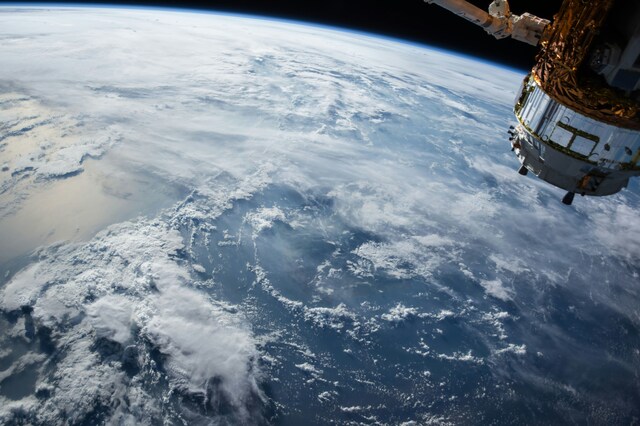
The project draws on real challenges faced by space agencies such as NASA, which has flagged the need for radiation shielding as one of the biggest barriers to building a permanent base on the Moon and, eventually, launching missions to Mars.
FARLabs was co-founded by La Trobe academics Dr David Hoxley and Professor Brian Abbey. Since 2013, more than 2000 students from over 700 schools—including many in regional and remote areas—have participated in the program.
This is the first time an inter-school competition has been held under the FARLabs banner. The program is supported by philanthropic funding from the GHD Foundation.
Media attending the event will be able to film inside La Trobe’s laboratories, speak with participating students, and interview coordinators including Dr Connie Darmanin.
The event takes place on Monday, July 1, at La Trobe University, Plenty Road, Bundoora.