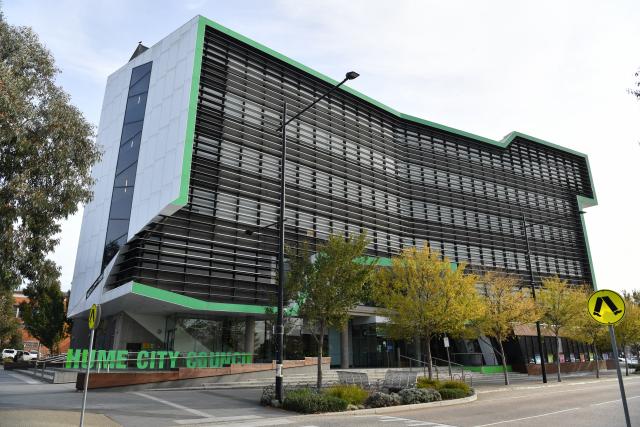
Hume council is moving to take a stronger stance on the rapid growth of data centres across the municipality, amid concerns over environmental impacts, infrastructure strain, and limited long-term community benefits.
At Hume’s scheduled council meeting on Monday, August 25, councillors endorsed a motion calling for the development of a draft policy framework to better manage data centre applications, becoming the first Victorian council to do so.
Cr Kurt called out data centres for their impact on the environment, naming them a “wicked problem” for their limited benefits.
“They are a wicked problem. They’re huge in scale, consuming massive amounts of water and electricity whilst offering little back to the community in terms of jobs,” he said.
Data centres are increasingly being recognised as critical infrastructure in the digital economy, supporting innovation and technological growth. However, they are also highly resource-intensive, provide few ongoing jobs, and can create significant local disruptions.
Council highlighted ongoing issues in Tullamarine, where the NextDC facility on Sharps Road has caused parking shortages and reduced community amenity.
Similar concerns are emerging in Craigieburn and other growth areas, where developers are seeking approval for new centres which will place additional pressure on water and power supply.
Recent media reports have also pointed to data centres in other parts of Australia consuming vast amounts of water, with some projects being prioritised over new housing developments – a scenario Hume fears could also affect its fast-growing population.
Many applications are said to be assessed directly at a ministerial level, bypassing council scrutiny and limiting opportunities for local consultation..
“They send their projects straight to the minister for approval, often in new precinct structure plans where they can bypass council and communities with little scrutiny,” Cr Kurt pointed out.
In other cases, data centres are embedded in Precinct Structure Plans (PSPs), which involve less direct engagement with residents.
Council officers will now prepare a briefing note examining issues such as water use, energy demand, employment, and environmental impacts. They will also explore advocacy opportunities with state and federal authorities to push for stronger regulations and planning controls.