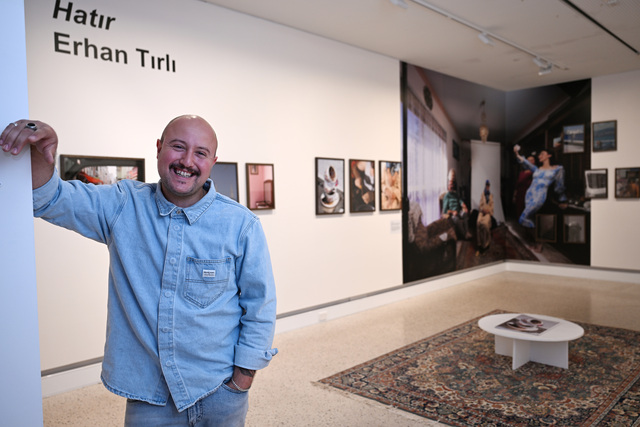
Erhan Tirli is the artist behind Hatır (2022–2024), a long-term project that explores cross-cultural belonging beyond singular identities.
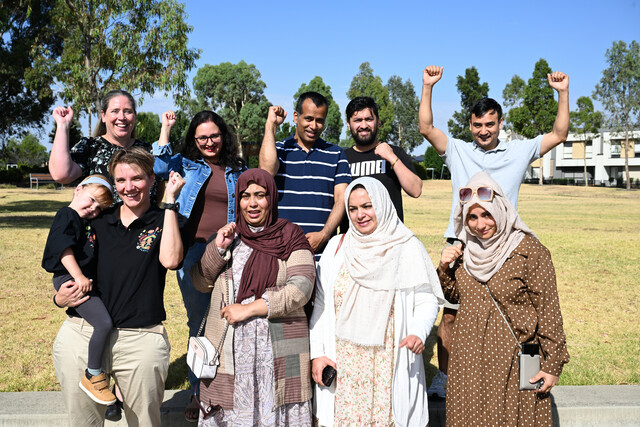
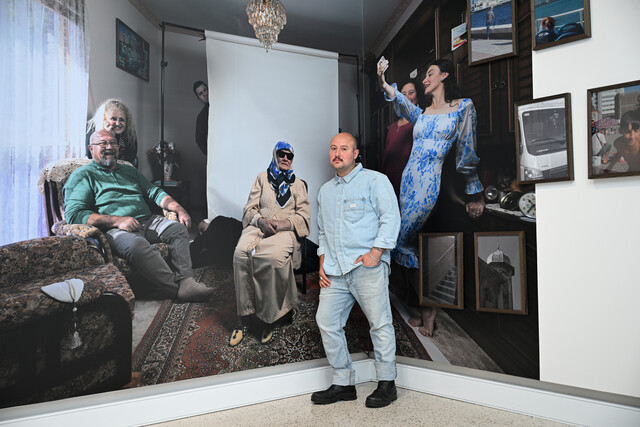
The project includes collaborative portraits, still life, street photography, archival images and text.
Tirli said in Turkish, ‘hatır’ translates to ‘memory’ or ‘remembrance’, but for him the word carries a much deeper emotional register.
“For me, that idea of emotional connection, especially across distance, across time, across countries, is fundamental to the migrant experience,” he said.
“It’s about the consideration one person holds for another, the tenderness of remembering someone… honouring the invisible threads that tie us together.”
Tirli said his family migrated to Australia in two waves, first his grandparents and father in the 70s and then his parents again in the 90s after meeting in İzmir, Turkey.
“My mother’s family still lives in İzmir, so travelling back and forth was a normal rhythm of childhood,” he said.
“I grew up between two worlds [and] learned to move fluidly between those identities, carrying two ways of being, two languages, two sets of values.
“When I started making work that tried to reflect that duality…Hatır began to emerge.”
Tirli said his work is intended to capture the feeling most people who live apart from loved ones will recognise.
“Migration always involves a kind of quiet grief for the people, places and ways of living left behind,” he said.
He said many migrant communities work to keep cultural practices alive.
“Hatır felt like the perfect anchor because it encompasses longing, affection, nostalgia and resilience all at once,” he said.
Tirli said a common misunderstanding about identity is that it has to be singular.
“Hatır pushes back against that… the project exists in… the space where cultures overlap, contradict and reinforce one another,” he said.
“Hatır is essentially about finding a way to exist in both worlds wholeheartedly.”
Growing up at home, Tirli was immersed in Turkish culture, but outside he was navigating Australian life.
“Many of us now feel more comfortable [than older generations], claiming both identities without compromise.
“The negotiation between cultures is what shapes my photographic process.
“Culture isn’t one-dimensional… [and] using multiple forms of photography lets me reflect that complexity.“
Tirli said that portraiture brings intimacy to audiences.
“Street photography captures the environment we move through, still life holds symbolism [and] archival material bridges generations.
“Together, these elements mirror the way memory works… exploring the fluid space… between lived experience and inherited memory.”
Tirli said he can’t predict how people will read his work, but hopes they find a point of connection.
“I hope people see something of themselves, their families or their histories reflected, even if our cultures differ.
“At its core, Hatır is about connection, care and the threads that tie us to one another.”
He encourages participants to create playful, surreal images that challenge stereotypes and reveal the rich stories of his community.
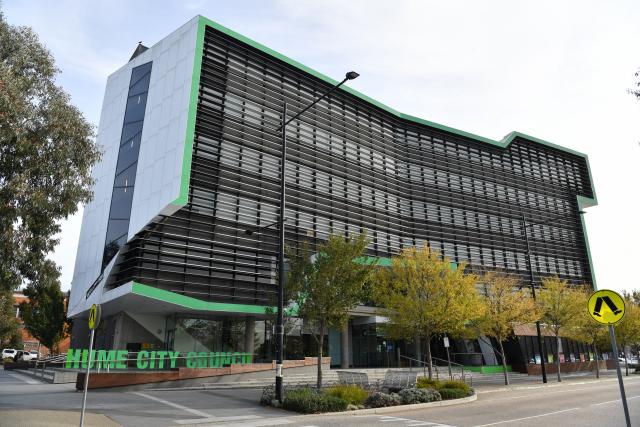
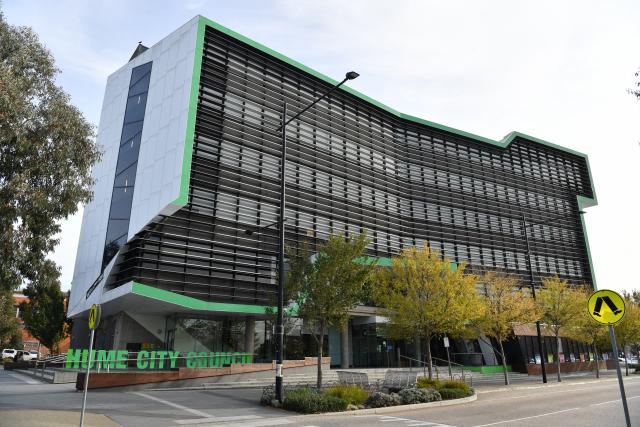
The project is open for visitors Monday through Friday 8.30am-5pm at the Town Hall Broadmeadows Gallery.