
WestCASA is a community based not-for-profit sexual assault counselling service operating in the western suburbs. Jaidyn Kennedy discovered the ways the organisation is helping victim-survivors on their recovery journeys.
“When you’re in that situation, you don’t think there is any way out,” is a statement that many victim survivors of sexual assault the world over may understand on a deeper level than most.
For Gabriela, not her real name, it took years to escape an abusive marriage with her five children.
In a dangerous environment, finding the strength to use your voice is no easy task.
“When you are trapped in family violence circumstances, it’s just so hard to talk about it,” Gabriela said.
Trusting someone else to listen can be another story altogether.
“It’s very hard to trust people – you don’t think anyone is ever going to believe you, ever going to hear you,” Gabriela said.
Not only did Gabriela feel trapped in her own relationship, but restricted in what she could say or do by the culture that surrounded her.
“That’s how you’ve been brought up, that’s how you see things and you don’t know any other way,” she said.
“You think you need to make a man happy, and that is your job, so it feels like massive shame and guilt [to speak up].”
The Western Region Centre Against Sexual Assault, or WestCASA, exists to ensure victim-survivors like Gabriela have a place to safely tell their story and can find the resources they need to heal.
Everyone involved in the establishment of the organisation in 1987 had lived experience as victim-survivors of sexual assault.
Some of the services the centre directly provides include direct counselling, information on legal options, coaching for daunting tasks such as appearing in court and to referrals to doctors who are sensitive to the needs of victim-survivors.
In WestCASA, Gabriela found refuge.
“Before [WestCASA] I was so lost, I was so hurt, I was in so much pain, I didn’t think I could live another day” she said.
“But every time I left a session with my counsellor, I felt like I had added something to my personality.”
An important step in navigating sexual assault is regaining a sense of agency, Gabriela said.
She said taking back control of her life was an amazing feeling.
“I am just finding myself more and more, and as you feel that power and having more control of your life, you realise, yes, I am in control,” she said.
“Just realising all these choices makes you feel so much stronger and people around you recognise you’ve changed.
“When they verbalise it and you hear it, it makes you want to do more, it makes you want to achieve more.”
Gabriela acknowledged there will always be setbacks on the road to recovery.
“Yes, the memories are there, the flashbacks are there, it comes and goes, but I keep moving forward,” she said.
As the western suburbs continue to grow and incorporate new community members from the across the world, WestCASA has adapted and evolved to ensure it can support the different cultures that call the west home.
WestCASA board chair Mohana Mahadevan, a migrant from Singapore of Ceylonese Tamil heritage, has experience as a social worker helping asylum seekers and refugees settle in Australia.
She has seen first-hand the obstacles culturally and linguistically diverse (CALD) communities can face addressing sexual assault.
“In many cultures, discussing sexual violence is taboo, leading to silence and denial,” she said.
“This culture of silence perpetuates the cycle of trauma, preventing survivors from seeking the help and support they desperately need.”
Mohana observed a gap between those who admit they have been subjected to sexual violence and those who actively seek support.
“I observed that though disclosures of sexual assault and sexual violence were high, the desire to talk about or heal from it was low,” she said.
“There was a tendency to leave the past behind, a tendency to not taint the future for the rest of the family and the wider community.
“This lack of resolution vibrates through generations.”
One of the ways WestCASA endeavours to bridge this gap is through integrated, trauma-informed care.
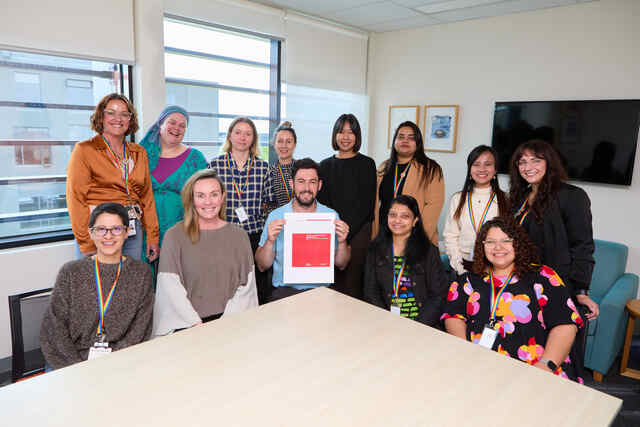
In the past year, WestCASA has partnered with organisations from the Vietnamese, Pasifika, African, Indian and Aboriginal and Torres Strait Islanders communities to improve cultural engagement programming.
A concerted effort has also been made to bring more staff and volunteers from CALD backgrounds onboard.
Even without cultural barriers, addressing such a confronting and personal experience can be immensely difficult.
WestCASA chief executive Annette Vickery said the amount of people who seek support is worryingly low.
“We know from the AIHW (Australian Institute of Health and Welfare) that 27 per cent of victim survivors of sexual violence will seek a service or support – that’s a low number,” she said.
“It is unconscionable to think there are people in our community who would not seek support out of fear of being judged, or their experience devalued.
“Every victim-survivor deserves to be seen, heard and accepted just as they are for the experience which is unique to them.
“The earlier we can support someone to reduce the traumatic impacts of sexual violence, the better outcomes they will have.
“There is then a reduction in flow on impacts of health, mental health and resilience generally, which improves the likelihood that the impacts of sexual violence won’t stop a victim survivor from going on to enjoy their life.”
Often overshadowed in the discourse on sexual assault are men, but WestCASA works to ensure their voices are heard.
Annette said that male victim survivors can be more hesitant to put their hand up.
“What we do know generally speaking is that men disclose sexual violence against them later, and thus at times the traumatic impact of the sexual violence has caused more harm to the person,” she said.
She observed societal stigmas and intrasexual attitudes as factors influencing this phenomenon.
“There is a shame factor in men disclosing, which is similar to what women were experiencing generations ago,” she said.
“Men as a cohort are not yet in a place where they accept this truth, and see and understand this is not about their gender or them as a person, and this should not have happened to them.”
While the organisation has peer support programs of its own, one of WestCASA’s great successes is helping provide a platform for survivors to spread their wings outside the group.
Gabriela has made great inroads outside of WestCASA with her regained sense of self.
“I chose a career I wanted to go into and during that time I have made lifetime friends.
“It’s okay if I fall, I step back, but I know for a fact that I am going to get up and continue.”
To learn more about WestCASA or to find ways to get support, call 92416 0444 or westcasa.org.au