Picky eating is something many Whittlesea and Hume parents deal with.
When your child rejects a substantial amount of food it can be frustrating and cause you to worry about their nutritional intake.
So, why does a child become a picky eater and is there anything you can do to get them to eat a greater variety of food?
New research from the University of the Sunshine Coast (USC) has identified the most common external factors that increase and decrease the likelihood of picky eating in children under the age of 10.
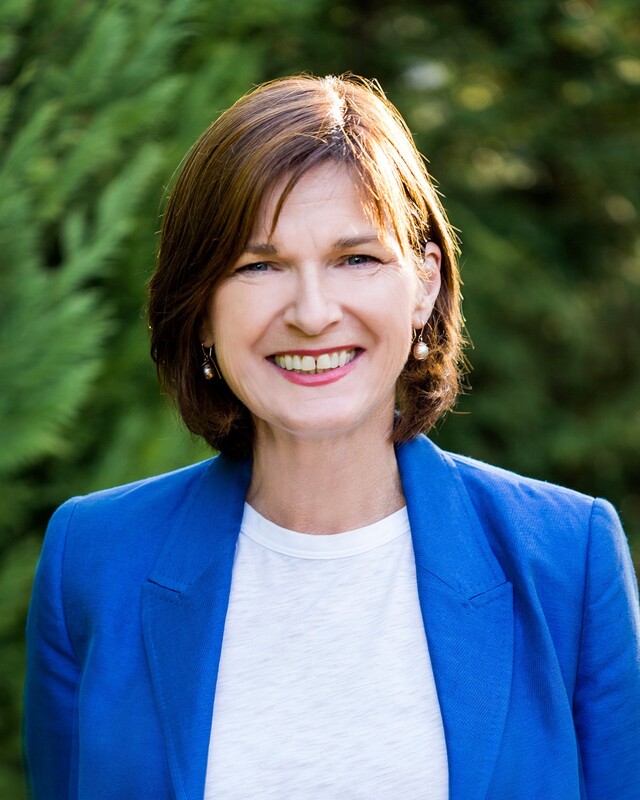
USC student and academic Laine Chilman reviewed 80 health industry studies, largely based on parents’ reporting of their children’s picky eating, for her PhD paper ‘Picky Eating in Children’.
Her research found that authoritarian parenting, rewards for eating and pressuring a child to eat were external factors that appear to increase the likelihood of picky eating.
On the flip side, the most commonly reported external factors that decrease the likelihood of picky eaters are family meals, responsive parents, and involving the child in the preparation of food.
The study also found that a child’s personality and increased sensitivity, particularly to taste and smell, were the most common internal features of a picky eater.
Furthermore, firstborns seemed to have a higher likelihood of being a picky eater. This is something that rings true for Ms Chilman – her eldest son is picky when it comes to food.
“I think it’s different when it’s the first (born) because you have more time to make alternate meals and I wonder if I did a few things that weren’t perfect,” the mother of three said.
“With the other two it was more like this is what we are having.”
Ms Chilman said picky eating was an umbrella term for consistent behaviours such as rejecting substantial amounts of food based on texture, novelty or appearance, with associated practical or psychological impacts for parents/caregivers.
She said the papers she researched noted that picky eating tended to be a toddler-appropriate behaviour.
“Developmentally, they are learning different rules of the world but they are also quite protective – they don’t like change,” she said.
“It’s quite developmentally appropriate. The concern is if it keeps going.”
So what are the things you can do to help address the issue?
Ms Chilman suggests finding a time for the family to have dinner together and getting picky eaters involved in food preparation.
Although she added that this was easier said than done as these things take time, which many families don’t have a lot of.
The aim of her study is to help families with mealtimes.
“I hope my research provides insights that help support – not blame – parents, caregivers and health professionals,” she said.
Ms Chilman, who has worked as a nurse and occupational therapist, is continuing her PhD on picky eating.
The findings of Ms Chilman’s PhD paper, with co-authors from USC, the University of South Australia and The University of Queensland, have been published in the International Journal of Environmental Research and Public Health.